
Cardiology
Expert Care for Every Heartbeat
Heart Care Backed by Decades of Trust
What Sets MGM Apart in Cardiac Care
Our cardiac team brings together experienced cardiologists, cardiac surgeons, and specialized healthcare professionals, working in a collaborative, multidisciplinary environment to deliver seamless and comprehensive heart care.
95%
Client Satisfaction
35+
Years of Expertise
10,000+
Successful Cases
3,000+
Patients Served

Excellence in Cardiology, Driven by Expertise and Compassion
At MGM SevenHills Vizag, our cardiac care team is dedicated to improving patient outcomes through a seamless blend of medical expertise, personalized care, and cutting-edge technology. We focus on early diagnosis, evidence-based treatment, and compassionate support to ensure the best possible results for every patient.
A Highly Skilled Multidisciplinary Team
Adherence to International Quality Standards
Innovative, Minimally Invasive Techniques
State-of-the-Art Technology
Common Heart Problems
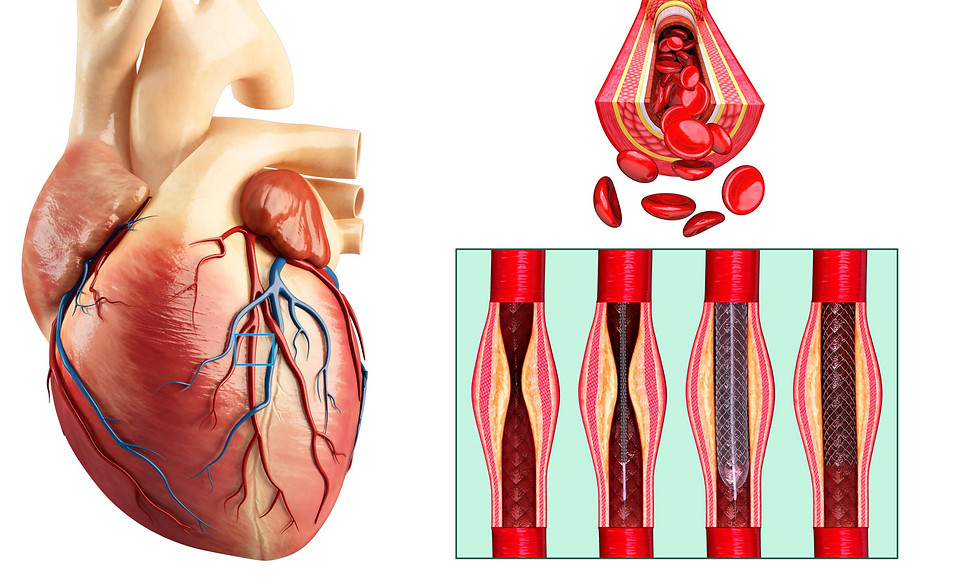
Coronary Artery Disease (CAD)
A condition where the blood vessels supplying the heart become narrowed or blocked due to plaque buildup. This reduces blood flow and can lead to chest pain or heart attacks.
Heart Attack (Myocardial Infarction)
Occurs when blood flow to a part of the heart is suddenly blocked, usually by a clot. This damages the heart muscle and requires urgent medical attention.

.jpg)
Heart Failure
This doesn't mean the heart has stopped working—it means it isn't pumping blood as well as it should. Symptoms may include fatigue, shortness of breath, and swelling in the legs or ankles.
Arrhythmias
These are problems with the rate or rhythm of your heartbeat. The heart may beat too fast, too slow, or irregularly, sometimes leading to dizziness or palpitations.

At MGM SevenHills Vizag, we believe heart care is about more than technology — it’s about trust, precision, and compassion. Our expert team of cardiologists and cardiac surgeons delivers comprehensive care across prevention, diagnosis, intervention, and recovery. Backed by advanced facilities and decades of experience, we ensure every patient receives not just world-class treatment, but care that truly understands the heart behind the condition.


Dr. K. Sirisha
Consultant
Cardiology
Dr. M. Bhaskara Rao
MD., DM
Sr. Consultant

Dr. K. Damodara Rao
MD, DM
Consultant

Dr.M.Narendranath Raju
M.D., D.M. (Cardiology)
Consultant - Interventional

Dr.Haritha Kumari Landa
D.M. (Cardiology), M.D. (Pulmonary Medicine)
Consultant - Cardiologist
Main Services Provided
Cardiology Consultations & Evaluations
Non-Invasive Cardiac Diagnostics
Interventional Cardiology
Cardiothoracic and Vascular Surgery (CTVS)
Heart Failure Management
Emergency Cardiac Care
Conditions We Treat & Procedures We Perform Cardiac Sciences at MGM Healthcare
Heart-related conditions can develop at birth or be acquired later in life due to lifestyle, pregnancy, or even treatments for other diseases like cancer. At MGM Healthcare Visakhapatnam, our expert team of cardiologists and cardiac surgeons offers advanced care for a wide range of heart conditions. Using the latest technology and a patient-focused approach, we deliver accurate diagnoses and effective treatments tailored to each individual.
Adult Congenital Heart Defects
These are structural abnormalities in the heart present from birth. While some may be repaired early in life, they often require ongoing care. Our team provides long-term support and treatment for:
-
Atrial/Ventricular Septal Defects – Small holes in the heart walls that affect blood flow.
-
Congenital Valve Issues – Malfunctioning heart valves that may need repair or replacement.
-
Ebstein’s Anomaly – A rare defect in the tricuspid valve, leading to improper blood flow.
-
Eisenmenger Syndrome – A long-term complication from uncorrected heart defects.
-
Marfan Syndrome – A connective tissue disorder that may involve the heart and aorta.
-
Pulmonary Stenosis – Narrowing of the valve that connects the heart to the lungs.
-
Single Ventricle Disorders – Complex conditions where only one heart chamber functions properly.
-
Tetralogy of Fallot – A combination of defects that impact oxygenation.
-
Transposition of Great Arteries – When major heart vessels are switched, requiring surgery.
Our cardiology department offers both non-invasive and interventional treatments, including:
-
Coronary & Peripheral Angiograms
-
Angioplasty (simple, complex, primary, and peripheral)
-
Bifurcation Stenting & CTO Techniques
-
Pacemaker Implantation (Temporary, Single & Dual Chamber)
-
CRT (Cardiac Resynchronization Therapy)
-
ICD (Implantable Cardioverter Defibrillator)
-
Electrophysiology Tests & Radiofrequency Ablation
-
Rotablation
-
Intravascular Ultrasound (IVUS)
-
Fractional Flow Reserve (FFR)
Our cardiac surgeons are highly skilled in performing both routine and high-risk surgeries, such as:
-
CABG (Coronary Artery Bypass Grafting)
-
Off-Pump / Beating Heart Surgeries
-
Valve Repair & Replacement
-
Aortic Aneurysm & Dissection Surgery
-
Emergency & Redo CABG
-
Congenital Heart Surgeries (Paediatric & Neonatal)
-
Surgeries for Cardiac Tumors, Arrhythmias, and Thoracic Issues
Diagnostic Capabilities
Accurate diagnosis is key to effective heart care. That’s why we’re equipped with cutting-edge technologies like the 128-slice CT scanner, Intravascular Ultrasound (IVUS), Cath Lab, 3T MRI, and ECMO systems to support precise evaluations.
Electrocardiogram (ECG/EKG)
An Electrocardiogram (ECG) measures the heart’s electrical activity, tracking the timing and strength of each heartbeat. It is commonly used to detect signs of a past heart attack, monitor irregular heart rhythms, and identify early signs of a developing cardiac event.
Cardiac Computed Tomography
Cardiac CT is an advanced imaging method that generates 3D visuals of the heart, helping detect blockages in the coronary arteries due to calcium buildup. It also aids in assessing conditions like aortic disease, cardiac tumors, and pericardial disorders.
Thallium Stress Test or Myocardial Perfusion Imaging or Nuclear Stress Test
A nuclear stress test involves injecting a small amount of a radioactive tracer, like thallium, into the bloodstream during peak exercise on a treadmill. A special camera then captures images of the heart muscle. This test helps evaluate blood flow to the heart, identify blocked coronary arteries, assess damage from a heart attack, and determine the cause of chest pain both at rest and under stress.
Chest X-Ray
A chest X-ray captures detailed images of the heart, lungs, and surrounding bones. It helps identify signs of an enlarged heart and detects fluid buildup in the lungs, which may indicate a heart attack or heart failure.
Continuous ECG Monitoring (Holter Test)
It records the electrical activity of the heart during daily activities and enables doctors to determine the condition of the heart.
Echocardiogram
This test uses high-frequency sound waves (ultrasound) to create real-time images of your heart’s size, shape, and movement. A handheld probe is placed on your chest to capture the visuals. It helps detect irregular heart rhythms and offers valuable insights into overall heart function and health.
Exercise Tolerance Test (ETT)
During this test, you walk on a treadmill while electrodes placed on your chest monitor your heart’s activity. It tracks your heart rate, blood pressure, breathing, and ECG in real-time. This test helps identify coronary artery disease, angina, and can also assess your risk of a potential heart attack.
Blood Tests
Cardiac blood tests may include markers such as troponin, creatine kinase, CRP (C-reactive protein), fibrinogen, homocysteine, lipoproteins, triglycerides, BNP (brain natriuretic peptide), and prothrombin. These tests help confirm whether a heart attack has occurred, evaluate the extent of heart muscle damage, and assess how well the blood clots. They also provide insights into your risk of developing coronary artery disease in the future.
Cardiac Catheterization
Cardiac catheterization, also known as a coronary angiogram, is a procedure that uses a thin, flexible tube called a catheter to examine the heart’s blood vessels using X-ray imaging. The catheter is carefully inserted through a blood vessel in the groin, arm, or neck and guided to the heart. A special dye is injected to make the coronary arteries visible on X-ray. This test helps assess chest pain, detect blockages evaluate heart valve and muscle function, measure blood pressure inside the heart, and guide treatments like angioplasty and stent placement (PCI) to restore blood flow in blocked arteries.